UseCalcPro
Home
MathFinanceHealthConstructionAutoPetsGardenCraftsFood & BrewingToolsSportsMarineEducationTravel
Blog
  1. Home
  2. Food & Brewing

Priming Sugar Calculator

Dial in bottle conditioning sugar by batch size, temperature, and target CO2 volumes

Priming Sugar

117 g

Ounces

4.12 oz

CO2 Target

2.4 vol

Priming Addition

117 g

4.12 oz of sugar

Cup Measure

0.59 cups

Per 12 oz Bottle

2.21 g

Carbonation Snapshot

Residual CO2

0.86 vol

New CO2 Added

1.54 vol

Bottle Count

53

Pressure Risk

Balanced

Brewing Notes

Always use the highest beer temperature reached after fermentation started. Warmer beer already holds less dissolved CO2.

Dissolve priming sugar in a small volume of boiled water, cool it, then rack the beer on top for even mixing.

Target volumes around 2.4 work well for ipa / pale ale profiles.

What You'll Need

Northern Brewer Brew Share Enjoy Homebrew Starter Kit

Northern Brewer Brew Share Enjoy Homebrew Starter Kit

$80-$1204.5
View on Amazon
Brewer's Elite Triple Scale Hydrometer + Test Jar

Brewer's Elite Triple Scale Hydrometer + Test Jar

$12-$184.5
View on Amazon
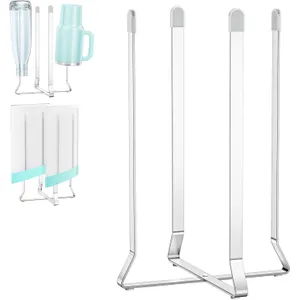
FastRack Bottle Drying Tree 45-Bottle + Drip Tray

FastRack Bottle Drying Tree 45-Bottle + Drip Tray

$25-$354.6
View on Amazon
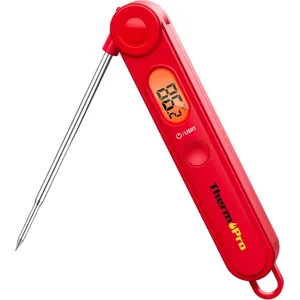
ThermoPro Instant Read Meat Thermometer

ThermoPro Instant Read Meat Thermometer

$12-$184.7
View on Amazon
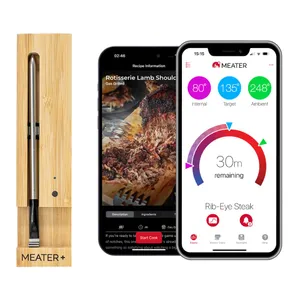
MEATER Plus Wireless Smart Meat Thermometer

MEATER Plus Wireless Smart Meat Thermometer

$70-$1004.3
View on Amazon
Northern Brewer Brew Share Enjoy Homebrew Starter Kit

Northern Brewer Brew Share Enjoy Homebrew Starter Kit

$80-$1204.5
View on Amazon
Brewer's Elite Triple Scale Hydrometer + Test Jar

Brewer's Elite Triple Scale Hydrometer + Test Jar

$12-$184.5
View on Amazon
FastRack Bottle Drying Tree 45-Bottle + Drip Tray

FastRack Bottle Drying Tree 45-Bottle + Drip Tray

$25-$354.6
View on Amazon
ThermoPro Instant Read Meat Thermometer

ThermoPro Instant Read Meat Thermometer

$12-$184.7
View on Amazon
MEATER Plus Wireless Smart Meat Thermometer

MEATER Plus Wireless Smart Meat Thermometer

$70-$1004.3
View on Amazon

As an Amazon Associate, we earn from qualifying purchases.

Example Calculations

15 gallon IPA with corn sugar

Inputs

Batch Size5 gallons
Beer Temperature68F
Target CO22.4 volumes
Sugar TypeCorn Sugar

Result

Priming Sugarabout 4.5 oz
Gramsabout 128 g
Per Bottleabout 2.5 g per 12 oz bottle

This is a typical carbonation target for American ales and a common range for standard 5 gallon bottling batches.

25 gallon wheat beer with table sugar

Inputs

Batch Size5 gallons
Beer Temperature65F
Target CO23.2 volumes
Sugar TypeTable Sugar

Result

Priming Sugarabout 5.8 oz
Gramsabout 164 g
Per Bottleabout 3.3 g per 12 oz bottle

German wheat beers need higher carbonation than typical ales. Table sugar requires slightly less weight than corn sugar for the same CO2 output.

Frequently Asked Questions

Q

Why does beer temperature matter for priming sugar?

Beer temperature affects how much CO2 is already dissolved in the beer. Warmer beer holds less residual CO2, so it usually needs more priming sugar to hit the same carbonation target.

  • Use the highest temperature reached after fermentation began
  • Cold crashing does not reset residual CO2 to the colder temperature
  • Temperature errors can lead to flat or overcarbonated bottles
Q

Can you use table sugar instead of corn sugar?

Yes. Table sugar works well for bottle conditioning, but it is slightly more fermentable than corn sugar, so you generally use a little less by weight.

  • Corn sugar is the standard reference in many homebrew calculators
  • Table sugar usually needs about 9% less by weight than corn sugar
  • Dry malt extract needs noticeably more than corn sugar
Q

How many CO2 volumes should you target for different beer styles?

Different beer styles call for different carbonation levels measured in volumes of CO2. British ales are often lower around 1.5 to 2.0, while German wheat beers and Belgian styles can go as high as 3.5 to 4.5 volumes.

  • British ales and stouts: 1.5 to 2.0 volumes for a gentle, smooth carbonation
  • American ales and IPAs: 2.2 to 2.7 volumes for a moderate, lively fizz
  • German wheat beers: 3.0 to 4.5 volumes for high effervescence
  • Belgian tripels and saisons: 3.0 to 4.0 volumes for a champagne-like finish
Q

How long does bottle conditioning take after adding priming sugar?

Most ales finish bottle conditioning in about two to three weeks at room temperature. Lagers and higher-gravity beers can take four to six weeks for full carbonation and flavor development.

  • Store bottles at 68 to 75 F for the first two weeks to let yeast work
  • Check carbonation by opening one test bottle after 14 days
  • Cold crashing bottles after conditioning does not reduce carbonation
  • Higher ABV beers may need extra time due to stressed yeast

Related Calculators

Beer ABV Calculator

Calculate alcohol from gravity readings

Mead Calculator

Plan honey and gravity for mead

Water Kefir Calculator \u2014 Grain, Sugar & Fermentation Planner

Calculate water kefir grain-to-sugar-water ratios for any batch size. Get exact sugar amounts, grain weights in grams, and fermentation time by temperature.

Wine Making Calculator \u2014 Sugar, Yeast & Fruit Amounts

Calculate sugar, yeast, and fruit amounts for homemade wine. Get exact recipes for grape, berry, and fruit wines with target ABV and batch size scaling.

Cider Making Calculator \u2014 Sugar, Yeast & ABV Estimator

Calculate apple juice, sugar, and yeast amounts for homemade hard cider. Plan batch size, target ABV, priming sugar, and fermentation timeline for any recipe.

Header Size Calculator

Calculate the correct header size for door and window openings based on span width, stories, roof type, and load. Get jack stud and cripple stud counts.

Related Resources

Beer ABV Calculator

Mead Calculator

Cider ABV Calculator

Wine ABV Calculator

More Brewing Calculators

Explore calculators for ABV, mead, fermentation, and batch planning.

View Food Calculators

Last Updated: Mar 26, 2026

This calculator is provided for informational and educational purposes only. Results are estimates and should not be considered professional financial, medical, legal, or other advice. Always consult a qualified professional before making important decisions. UseCalcPro is not responsible for any actions taken based on calculator results.

UseCalcPro
FinanceHealthMath

© 2026 UseCalcPro