UseCalcPro
Home
MathFinanceHealthConstructionAutoPetsGardenCraftsFood & BrewingToolsSportsMarineEducationTravel
Blog
  1. Home
  2. Garden

Hot Tub Chemical Calculator

Get exact chemical doses based on your water test readings

Chemical Adjustments

All Balanced

pH

OK

Alkalinity

OK

Chlorine

OK

gal
ppm
ppm

pH Adjustment

In Range

No adjustment needed — pH is within 7.2–7.8 range

Alkalinity

In Range

No adjustment needed — alkalinity is 80+ ppm

Chlorine

In Range

Sanitizer is within ideal range

Weekly Shock

Recommended

8 oz

Non-Chlorine Shock (MPS)

Once per week or after heavy use

What You'll Need

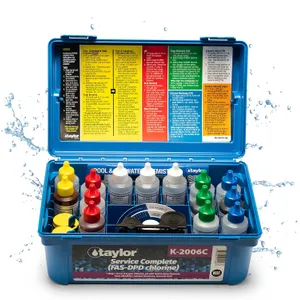
Taylor K-2006C Complete Pool Water Test Kit

Taylor K-2006C Complete Pool Water Test Kit

$80-$1004.7
View on Amazon
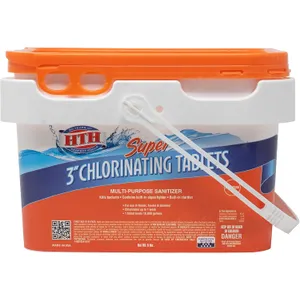
HTH Super 3" Chlorinating Tablets 5lb

HTH Super 3" Chlorinating Tablets 5lb

$30-$404.5
View on Amazon
Taylor K-2006C Complete Pool Water Test Kit

Taylor K-2006C Complete Pool Water Test Kit

$80-$1004.7
View on Amazon
HTH Super 3" Chlorinating Tablets 5lb

HTH Super 3" Chlorinating Tablets 5lb

$30-$404.5
View on Amazon

As an Amazon Associate, we earn from qualifying purchases.

Frequently Asked Questions

Q

What should the pH level be in a hot tub?

The ideal pH range for a hot tub is 7.2 to 7.8. A pH below 7.2 is too acidic and can corrode equipment, irritate skin, and reduce sanitizer effectiveness. A pH above 7.8 is too alkaline and causes cloudy water, scale buildup, and poor sanitizer performance. Test pH at least twice per week.

  • Target 7.4–7.6 for optimal sanitizer performance and bather comfort
  • pH below 7.0 corrodes heater elements and pump seals – repairs cost $200–$500
  • pH above 8.0 reduces chlorine effectiveness by up to 80%, leaving water unsanitary
  • Test pH before and after each use – body oils, lotions, and sweat shift pH significantly
  • Add pH adjusters in small amounts (1 oz at a time per 400 gallons), retest after 20 minutes
Q

Is chlorine or bromine better for a hot tub?

Bromine is generally preferred for hot tubs because it remains effective at higher temperatures and has less odor than chlorine. Chlorine dissipates faster in hot water but costs less. Bromine is also gentler on skin and eyes. The ideal range is 1-3 ppm for chlorine and 2-4 ppm for bromine.

  • Bromine stays active at 100°F+ water temps; chlorine loses 50% effectiveness above 98°F
  • Bromine tablets: $25–$40 for 3–4 months; dichlor granules: $15–$25 for the same period
  • Chlorine has a stronger smell, especially in enclosed hot tub spaces or gazebos
  • Bromine is gentler on sensitive skin – recommended for bathers with eczema or allergies
  • Never mix chlorine and bromine products – drain and refill when switching sanitizer types
FeatureChlorineBromine
Ideal Range1–3 ppm2–4 ppm
Hot Water StabilityPoor above 98°FStable to 104°F+
OdorStrong chloramine smellMild, less noticeable
Monthly Cost (400 gal)$5–$8$8–$12
Skin SensitivityCan irritateGentler on skin
Q

How often should you shock a hot tub?

Shock your hot tub once per week with regular use, or after every heavy use session (more than 3 bathers). Use 2 oz of non-chlorine shock per 100 gallons. Shocking oxidizes contaminants, restores sanitizer effectiveness, and keeps water clear. Always run jets for 15-20 minutes after shocking.

  • Weekly shock: 2 oz non-chlorine shock (MPS) per 100 gallons with jets running 20 minutes
  • After parties or 3+ bathers: shock immediately to eliminate body oils, sweat, and contaminants
  • Wait 15–20 minutes after shocking before re-entering – test sanitizer levels first
  • Non-chlorine shock ($15–$25 per lb) is preferred for bromine systems to avoid chemical conflicts
  • Shock in the evening – UV sunlight degrades both chlorine and MPS shock compounds
Q

How do I raise alkalinity without raising pH?

Add sodium bicarbonate (baking soda) to raise total alkalinity with minimal pH impact. Use 1 tablespoon per 100 gallons to raise alkalinity by 10 ppm. Add it with jets running and retest after 4-6 hours. Alkalinity acts as a pH buffer, so proper alkalinity (80-120 ppm) helps keep pH stable.

  • Dose: 1 tablespoon baking soda per 100 gallons raises alkalinity by ≈10 ppm
  • Add in small increments – no more than 2 tablespoons per 100 gallons at once
  • Run jets for 10 minutes after adding, then wait 4–6 hours before retesting
  • Proper alkalinity (80–120 ppm) prevents pH bounce – always adjust alkalinity before pH
  • Baking soda costs $0.50–$1.00 per treatment vs. $8–$15 for branded alkalinity increasers

Find a Landscaper Near You

Get free quotes from landscaping professionals near you

Angi
Angi4.7/5

Verified reviews & background checks

Get Free Quotes

Showing results for your area

Example Calculations

1Low pH + Low Chlorine (400 gal tub)

Inputs

Tub Volume400 gallons
SanitizerChlorine
Current pH7.0
Current Alkalinity60 ppm
Current Sanitizer0.5 ppm

Result

pH Up Needed10 oz sodium carbonate
Alkalinity Up8 tbsp sodium bicarbonate
Chlorine Dose3 tsp dichlor granules
Shock Dose8 oz non-chlorine shock

pH is below 7.2, so pH up is needed: (7.5 - 7.0) × 10 × 0.5 × 4 = 10 oz. Alkalinity is below 80: ((80 - 60) / 10) × 4 = 8 tbsp. Chlorine needs to reach 2 ppm: (2 - 0.5) × 0.5 × 4 = 3 tsp.

2High pH + Low Alkalinity (300 gal tub)

Inputs

Tub Volume300 gallons
SanitizerBromine
Current pH8.2
Current Alkalinity70 ppm
Current Sanitizer1 ppm

Result

pH Down Needed15.75 oz sodium bisulfate
Alkalinity Up3 tbsp sodium bicarbonate
Bromine Dose3 tablets initially
Shock Dose6 oz non-chlorine shock

pH is above 7.8, so pH down is needed: (8.2 - 7.5) × 10 × 0.75 × 3 = 15.75 oz. Alkalinity is below 80: ((80 - 70) / 10) × 3 = 3 tbsp. Bromine needs initial tablet dosing at 1 tablet per 100 gallons = 3 tablets.

Formulas Used

pH Down Dosing (Sodium Bisulfate)

Dose (oz) = (Current pH - 7.5) × 10 × 0.75 × (Volume / 100)

Calculates the amount of sodium bisulfate (pH decreaser) needed when pH is above 7.8. Targets a pH of 7.5.

Where:

Current pH= Your measured pH level
7.5= Target pH (middle of ideal range)
0.75= Ounces of sodium bisulfate per 0.1 pH drop per 100 gallons
Volume= Hot tub volume in gallons

Sanitizer Dosing (Dichlor Granules)

Dose (tsp) = (Target ppm - Current ppm) × 0.5 × (Volume / 100)

Calculates the amount of dichlor granules needed to raise chlorine level to the target of 2 ppm.

Where:

Target ppm= 2 ppm for chlorine, 3 ppm for bromine
Current ppm= Your measured sanitizer level
0.5= Teaspoons of dichlor per 1 ppm rise per 100 gallons
Volume= Hot tub volume in gallons

Alkalinity Adjustment (Sodium Bicarbonate)

Dose (tbsp) = ((80 - Current ppm) / 10) × (Volume / 100)

Calculates the amount of sodium bicarbonate (baking soda) needed to raise total alkalinity to 80 ppm minimum.

Where:

80= Minimum target alkalinity in ppm
Current ppm= Your measured total alkalinity
10= ppm rise per tablespoon per 100 gallons
Volume= Hot tub volume in gallons

Complete Guide to Hot Tub Water Chemistry

1

The Three Critical Water Measurements

A 400-gallon hot tub requires 3 chemical parameters in balance at all times: pH (7.2–7.8), total alkalinity (80–120 ppm), and sanitizer (1–3 ppm chlorine or 2–4 ppm bromine). Operating outside these ranges costs $200–$500 in corroded heater elements and pump seals, or worse—Pseudomonas and Legionella bacteria that thrive in poorly sanitized warm water.

pH is the most important measurement because it controls sanitizer effectiveness. At pH 7.2, chlorine is 65% active. At pH 8.0, only 20% of chlorine is in its active (hypochlorous acid) form—meaning you need 3× more chlorine to achieve the same disinfection. This is why pH testing before every soak matters more than any other maintenance step.

Alkalinity acts as a pH buffer. Low alkalinity (below 80 ppm) causes pH bounce—wild swings from 7.0 to 8.0 between test readings. Always adjust alkalinity first, then pH, because proper alkalinity (80–120 ppm) stabilizes pH and reduces the frequency of pH adjustments by 50–70%.

ParameterIdeal RangeToo Low RiskToo High Risk
pH7.2–7.8Corrosion, skin burnScale, cloudy water
Alkalinity80–120 ppmpH bounceScale buildup
Chlorine1–3 ppmBacteria growthSkin/eye irritation
Bromine2–4 ppmBacteria growthOdor, skin dryness
2

Chlorine vs. Bromine: Which Sanitizer to Choose

Bromine remains 80–90% effective at 104°F water temperature, while chlorine loses 50% effectiveness above 98°F. This temperature stability makes bromine the preferred choice for hot tubs that maintain 100–104°F. Chlorine works better for hot tubs kept below 98°F or used infrequently (weekly rather than daily).

Bromine costs 30–50% more per month ($8–$12 vs. $5–$8 for a 400-gallon tub) but produces less odor in enclosed spaces like gazebos and screened porches. The characteristic "pool smell" is actually chloramines—chlorine combined with bather waste—which form more readily in hot water.

Never mix chlorine and bromine products. If switching sanitizer types, drain the tub completely, flush lines with a pipe cleaner product ($10–$15), and refill with fresh water. Cross-contamination creates chemical reactions that reduce sanitizer effectiveness to near zero.

Tip: If you use your hot tub 3+ times per week at 100°F+, bromine is the better investment despite higher cost—it maintains consistent sanitation between uses.

3

Chemical Dosing Formulas and Calculations

All dosing scales linearly with tub volume in 100-gallon increments. A 400-gallon tub needs 4× the per-100-gallon dose. For pH adjustment: (Current pH – 7.5) × 10 × 0.75 oz per 100 gallons of sodium bisulfate when pH is above 7.8, or (7.5 – Current pH) × 10 × 0.5 oz per 100 gallons of sodium carbonate when below 7.2.

Alkalinity correction uses sodium bicarbonate (baking soda): 1 tablespoon per 100 gallons raises alkalinity by approximately 10 ppm. A 400-gallon tub at 60 ppm (20 below target) needs ((80 – 60) / 10) × 4 = 8 tablespoons. Baking soda at $0.50–$1.00 per treatment costs 90% less than branded alkalinity increasers ($8–$15).

Sanitizer dosing for chlorine: 0.5 teaspoons dichlor granules per 100 gallons raises free chlorine by 1 ppm. A 400-gallon tub reading 0.5 ppm needs (2.0 – 0.5) × 0.5 × 4 = 3 teaspoons to reach the 2 ppm target.

  • pH Down (sodium bisulfate): 0.75 oz per 0.1 pH drop per 100 gallons — dissolve first, add with jets running
  • pH Up (sodium carbonate): 0.5 oz per 0.1 pH rise per 100 gallons — smaller increments to avoid overshooting
  • Alkalinity Up (baking soda): 1 tbsp per 10 ppm rise per 100 gallons — wait 4–6 hours before retesting
  • Chlorine (dichlor granules): 0.5 tsp per 1 ppm rise per 100 gallons — pre-dissolve in warm water
  • Shock (MPS non-chlorine): 2 oz per 100 gallons weekly — run jets 20 minutes, wait 15 min before entering
4

Weekly Maintenance Schedule

Testing twice per week (and after every heavy-use session with 3+ bathers) prevents chemical drift that damages equipment or creates unsanitary conditions. A $15–$25 test strip kit provides 50–100 readings, costing $0.15–$0.50 per test. Liquid reagent kits ($30–$50) are more accurate but slower to use.

Weekly shocking oxidizes organic contaminants (body oils, lotions, sweat) that accumulate between sanitizer doses. Use 2 oz of non-chlorine shock (MPS) per 100 gallons with jets running for 20 minutes. Shock in the evening—UV sunlight degrades MPS compounds within hours of application.

Monthly drain-and-refill is necessary because dissolved solids accumulate over time. Total dissolved solids (TDS) above 1,500 ppm make chemical adjustments unpredictable. The pool volume calculator helps calculate water volume for larger spas and swim spas that blur the line between hot tub and pool.

  1. 1

    Test pH and sanitizer

    Dip test strip for 15 seconds, compare colors. Target pH 7.4–7.6 and sanitizer at mid-range (2 ppm chlorine or 3 ppm bromine).

  2. 2

    Adjust alkalinity first (if needed)

    Add baking soda at 1 tbsp per 100 gallons per 10 ppm rise. Run jets 10 minutes, wait 4–6 hours before retesting.

  3. 3

    Adjust pH

    Add pH Up or Down in 1 oz increments per 400 gallons. Retest after 20 minutes with jets running.

  4. 4

    Dose sanitizer

    Add dichlor or bromine tablets to reach target range. Pre-dissolve granules in warm water before adding to tub.

  5. 5

    Weekly shock treatment

    2 oz MPS per 100 gallons (8 oz for 400-gallon tub) with jets on for 20 minutes. Wait 15–20 minutes before entering.

5

Common Water Problems and Quick Fixes

Cloudy water is the #1 complaint from hot tub owners. The cause is almost always high pH (above 7.8) combined with low sanitizer (below 1 ppm chlorine). Fix: shock dose, adjust pH to 7.4, and run the filter for 4–6 hours. If cloudiness persists, check the filter cartridge—replace every 12–18 months ($25–$60).

Foam on the water surface indicates dissolved body oils, lotions, or detergent residue from bathing suits. An enzyme-based scum digester ($12–$18) breaks down organic compounds. For immediate results, add 1 tablespoon of a defoamer per 100 gallons. Long-term: shower before soaking and rinse suits without detergent.

Green or brown water signals algae or metal staining. Algae requires shocking to 10 ppm chlorine (5× normal dose) and 24 hours of continuous filtration. Metal staining from copper or iron in fill water needs a sequestering agent ($15–$25) that binds dissolved metals and prevents surface deposition.

ProblemLikely CauseFixPrevention
Cloudy waterHigh pH + low sanitizerShock + pH downTest 2×/week
FoamBody oils, detergentEnzyme cleaner + defoamerShower before use
Green waterAlgae (low sanitizer)Shock to 10 ppm + filter 24 hrsMaintain 2+ ppm chlorine
Scale buildupHigh alkalinity + calciumDrain + acid wash + refillKeep alkalinity under 120 ppm

Related Calculators

Pool Volume Calculator

Calculate pool water volume and chemical needs

Rain Barrel Calculator

Estimate rainwater collection from your roof

Irrigation Calculator

Plan your garden watering schedule

Pond Liner Calculator

Calculate the exact size of pond liner and underlayment needed for your water garden or koi pond. Enter dimensions to get liner size with proper overlap.

Backyard Ice Rink Calculator

Calculate water volume, liner size, fill time, freeze time, and materials for a backyard ice rink. Enter dimensions and temperature for accurate estimates.

Composting Time Calculator

Estimate how long composting takes based on your method, C:N ratio, pile size, and climate zone. Get timelines for hot, cold, tumbler, and vermicomposting.

Related Resources

Composting for Beginners: C:N Ratios, Methods & Calculator Guide

Read our guide

Garden Watering Calculator: How Much Water Does Your Garden Really Need?

Read our guide

Pool Volume Calculator

Calculate pool water volume

Rain Barrel Calculator

Estimate rainwater collection

Irrigation Calculator

Plan garden watering needs

More Garden Calculators

Explore all garden and outdoor tools

View All Garden Calculators

Last Updated: Mar 26, 2026

This calculator is provided for informational and educational purposes only. Results are estimates and should not be considered professional financial, medical, legal, or other advice. Always consult a qualified professional before making important decisions. UseCalcPro is not responsible for any actions taken based on calculator results.

UseCalcPro
FinanceHealthMath

© 2026 UseCalcPro