UseCalcPro
Home
MathFinanceHealthConstructionAutoPetsGardenCraftsFood & BrewingToolsSportsMarineEducationTravel
Blog
  1. Home
  2. Tools

Guitar String Tension Calculator — Tension by Gauge & Tuning

Calculate string tension from gauge, scale length, and tuning frequency

String Tension

16.2 lbs

kg

7.35

Scale

25.5″

String Tension

16.2

lbs (7.35 kg)

Gauge

0.010\u2033

Scale

25.5\u2033

Tension Range Guide

Your String16.2 lbs
Light Feel14 lbs
Medium Feel18 lbs
Heavy Feel24 lbs

Medium tension — balanced playability
What You'll Need

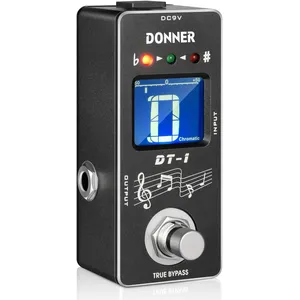
TC Electronic PolyTune 3 Guitar Tuner Pedal

TC Electronic PolyTune 3 Guitar Tuner Pedal

$60-$804.7
View on Amazon

D'Addario EJ16 Phosphor Bronze Acoustic Guitar Strings Light

$6-$104.7
View on Amazon

Focusrite Scarlett 2i2 3rd Gen USB Audio Interface

$140-$1804.7
View on Amazon
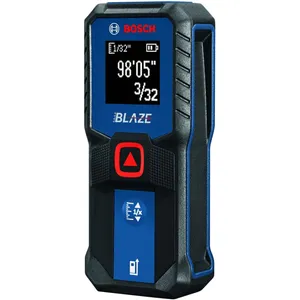
BOSCH GLM20 Blaze 65ft Laser Distance Measure

BOSCH GLM20 Blaze 65ft Laser Distance Measure

$30-$504.6
View on Amazon
Stanley FatMax 25ft Magnetic Tape Measure

Stanley FatMax 25ft Magnetic Tape Measure

$20-$304.6
View on Amazon
TC Electronic PolyTune 3 Guitar Tuner Pedal

TC Electronic PolyTune 3 Guitar Tuner Pedal

$60-$804.7
View on Amazon

D'Addario EJ16 Phosphor Bronze Acoustic Guitar Strings Light

$6-$104.7
View on Amazon

Focusrite Scarlett 2i2 3rd Gen USB Audio Interface

$140-$1804.7
View on Amazon
BOSCH GLM20 Blaze 65ft Laser Distance Measure

BOSCH GLM20 Blaze 65ft Laser Distance Measure

$30-$504.6
View on Amazon
Stanley FatMax 25ft Magnetic Tape Measure

Stanley FatMax 25ft Magnetic Tape Measure

$20-$304.6
View on Amazon

As an Amazon Associate, we earn from qualifying purchases.

Example Calculations

1.010 High E on Fender Scale (Standard Tuning)

Inputs

Gauge.010"
Scale25.5"
TuningE4 (329.63 Hz)

Result

Tension16.21 lbs
Tension (kg)7.35 kg

UW for .010 plain steel = 0.00002215 lbs/in. T = 0.00002215 × (2 × 25.5 × 329.63)² / 386.4 = 16.21 lbs.

2.046 Low E on Gibson Scale (Standard Tuning)

Inputs

Gauge.046" wound
Scale24.75"
TuningE2 (82.41 Hz)

Result

Tension17.48 lbs
Tension (kg)7.93 kg

UW for .046 wound = ~0.00017916 lbs/in. T = 0.00017916 × (2 × 24.75 × 82.41)² / 386.4 = 17.48 lbs.

Frequently Asked Questions

Q

How do I calculate guitar string tension?

String tension is calculated using T = UW × (2 × L × F)² / 386.4, where UW is the string unit weight in lbs/inch, L is scale length in inches, and F is the tuning frequency in Hz. A .010 high E at 25.5" scale in standard tuning produces about 16 lbs of tension.

  • T = UW × (2 × L × F)² / 386.4
  • UW: mass per unit length from manufacturer specs
  • Longer scale = higher tension at same tuning
  • Thicker gauge = higher tension at same tuning
  • Lower tuning = lower tension with same gauge
GaugeTension (E4, 25.5")FeelBest For
.00811.0 lbsVery lightExtreme bending
.00913.9 lbsLightLead playing
.01016.2 lbsMediumAll-around
.01119.2 lbsHeavyJazz, rhythm
Q

What is a good string tension for guitar?

Most guitarists prefer 14–20 lbs per string. Light tension (12–15 lbs) makes bending easier but can feel floppy. Heavy tension (18–24 lbs) gives more projection and sustain but is harder on the fingers.

  • 12–15 lbs: light feel, easy bends, less sustain
  • 15–18 lbs: balanced, most players prefer this range
  • 18–22 lbs: firm feel, more projection, harder bends
  • 22+ lbs: very heavy, jazz players, flat-wound strings
  • Total set tension: 70–110 lbs across all 6 strings
Q

How does scale length affect tension?

Longer scale length increases tension for the same gauge and tuning. A .010 at standard tuning on a 25.5" Fender scale has ~16.2 lbs tension, while the same string on a 24.75" Gibson scale has ~15.2 lbs. That 0.75" difference changes the feel noticeably.

  • 24.75" (Gibson): Slightly lower tension, easier bends
  • 25" (PRS): Middle ground between Fender and Gibson
  • 25.5" (Fender): Standard, slightly higher tension
  • 26.5" (Baritone): Higher tension, good for low tunings
  • 34" (Bass): Standard bass scale length
Q

What gauge should I use for drop tunings?

For Drop D, standard 10–46 works fine. For Drop C, try 11–52 or 12–56. For Drop B, use 12–60 or heavier. The goal is to maintain 12–18 lbs tension on the lowest string to avoid floppiness.

  • Drop D: 10–46 or 10–52 set
  • Drop C: 11–56 or 12–56
  • Drop B: 12–60 or 13–62
  • Drop A: 13–66 or dedicated baritone set
  • Rule: go up 1–2 gauge sizes per whole step down

Related Calculators

BPM Tap Calculator

Find tempo by tapping

Setlist Timer Calculator

Plan your set duration

Unit Converter

Convert between units

Guitar Tuning Calculator \u2014 Frequency & String Tension by Tuning

Calculate guitar string frequencies and tension for any tuning. Choose standard, drop D, open G, or custom tunings with your preferred gauge and scale.

Speaker Wire Gauge Calculator

Find the right AWG speaker wire gauge for your audio setup. Calculate power loss percentage from wire run length, speaker impedance, and amplifier wattage.

Subwoofer Frequency Calculator

Calculate subwoofer enclosure tuning frequency, port length, and sealed box F3 cutoff using Thiele-Small parameters. Supports sealed and ported designs.

Related Resources

BPM Tap Calculator

Setlist Timer Calculator

Unit Converter

Print Size Calculator

More Utility Calculators

Explore music, electronics, and everyday tools

View All Tools

Last Updated: Mar 26, 2026

This calculator is provided for informational and educational purposes only. Results are estimates and should not be considered professional financial, medical, legal, or other advice. Always consult a qualified professional before making important decisions. UseCalcPro is not responsible for any actions taken based on calculator results.

UseCalcPro
FinanceHealthMath

© 2026 UseCalcPro