UseCalcPro
Home
MathFinanceHealthConstructionAutoPetsGardenCraftsFood & BrewingToolsSportsMarineEducationTravel
Blog
  1. Home
  2. Construction

Paint Calculator

Never buy too much or too little

Units

Gallons Needed

2

Wall Area

352 sq ft

Coats

2

Coverage

604 sq ft

1
2

You Need

2

gallons

(Exactly 1.8 gal or 7 quarts)

Coverage Details

Total Wall Area352 sq ft
Paintable Area302 sq ft
With 2 Coats604 sq ft

Coverage Breakdown

Total Wall Area352 sq ft
Paintable Area302 sq ft
Total w/ 2 Coats604 sq ft

Paint Efficiency

Paintable vs Total Wall Area86%

14% of wall area excluded (doors & windows)

Tip: Add 10% extra for touch-ups and mistakes. Store leftover paint for future repairs.

What You'll Need

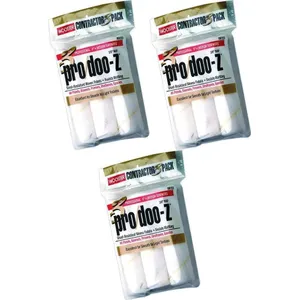
Wooster Pro/Doo-Z Roller Cover 9" 3-Pack

Wooster Pro/Doo-Z Roller Cover 9" 3-Pack

$8-$124.8
View on Amazon
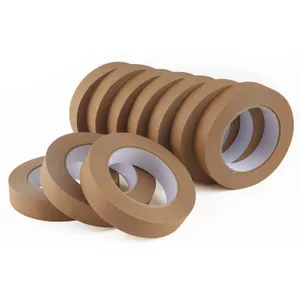
Painters Tape 1 inch Multi-Surface 10-Pack

Painters Tape 1 inch Multi-Surface 10-Pack

$22-$264.9
View on Amazon
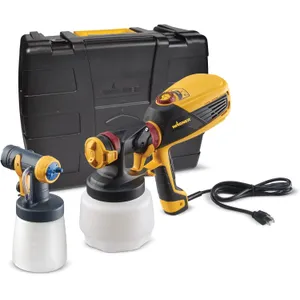
Wagner Spraytech FLEXiO 590 HVLP Paint Sprayer

Wagner Spraytech FLEXiO 590 HVLP Paint Sprayer

$55-$754.4
View on Amazon
Wooster Pro/Doo-Z Roller Cover 9" 3-Pack

Wooster Pro/Doo-Z Roller Cover 9" 3-Pack

$8-$124.8
View on Amazon
Painters Tape 1 inch Multi-Surface 10-Pack

Painters Tape 1 inch Multi-Surface 10-Pack

$22-$264.9
View on Amazon
Wagner Spraytech FLEXiO 590 HVLP Paint Sprayer

Wagner Spraytech FLEXiO 590 HVLP Paint Sprayer

$55-$754.4
View on Amazon

As an Amazon Associate, we earn from qualifying purchases.

Frequently Asked Questions

Q

How much paint do I need for a room?

Calculate wall area: (Room perimeter × Height) - doors & windows. Divide by 350-400 sq ft (coverage per gallon). Multiply by coats needed. Example: 12×12 room with 8ft ceilings = 384 sq ft walls ÷ 400 = 1 gallon per coat.

  • Wall area: Perimeter × Ceiling height
  • Subtract: 20 sq ft per door, 15 sq ft per window
  • One gallon = 350-400 sq ft per coat
  • Most rooms need 2 coats = double your estimate
  • Round UP and buy extra quart for touch-ups
Room SizeWall Area (8ft ceilings)1 Coat2 Coats
10×10 room320 sq ft1 gallon2 gallons
12×12 room384 sq ft1 gallon2 gallons
15×15 room480 sq ft1.5 gallons3 gallons
20×15 room560 sq ft1.5 gallons3 gallons
Q

How many coats of paint do I need?

2 coats is standard for most projects. Use 1 coat only for touch-ups or same-color refresh. Use 3+ coats when covering dark with light colors. Primer + 2 coats when painting new drywall or dramatic color changes.

  • 2 coats: Standard for best coverage and durability
  • Quality paint: Covers better, needs fewer coats
  • Dark to light: Use tinted primer to reduce coats
  • New drywall: MUST prime first
  • Primer: Different from paint, seals surface
SituationCoats NeededNotes
Same color refresh1 coatLight touch-up only
Similar color change2 coatsStandard recommendation
Light over darkPrimer + 2 coatsGray primer blocks dark
New drywallPrimer + 2 coatsSeals porous surface
High-quality paint1-2 coatsBetter coverage per coat
Q

What is paint coverage per gallon?

Standard coverage: 350-400 sq ft per gallon. Textured walls: 200-300 sq ft. Unfinished drywall: 200-250 sq ft. Smooth primed surface: 400-450 sq ft. Coverage varies by paint quality, color, and surface.

  • Premium paint: Often better coverage (worth the cost)
  • Dark colors: May cover less than label claims
  • Roller: More efficient coverage than brush
  • Spray: Uses 20-30% more paint
Surface TypeCoverage per GallonNotes
Smooth, primed400-450 sq ftBest coverage
Previously painted350-400 sq ftStandard
New drywall200-300 sq ftVery absorbent
Textured walls200-300 sq ftPeaks use more paint
Brick/stucco100-200 sq ftVery porous
Q

How do I calculate paint for ceilings?

Ceiling area = Length × Width. Same coverage rules apply (350-400 sq ft/gallon). Ceilings usually need 2 coats. Ceiling paint is flatter (hides imperfections) and thicker (less dripping).

  • Formula: Room length × Room width = ceiling sq ft
  • Coverage: Same 350-400 sq ft per gallon
  • Use ceiling-specific paint (flatter finish, less drip)
  • Typically 2 coats for best coverage
  • Popcorn ceiling: 50% less coverage (texture)
Room SizeCeiling Area1 Coat2 Coats
10×10100 sq ft1 quart2 quarts
12×12144 sq ft1 quart2 quarts
15×15225 sq ft1 gallon2 gallons
20×15300 sq ft1 gallon2 gallons
Q

What sheen should I use?

Flat/matte: Ceilings, low-traffic areas (hides imperfections). Eggshell: Living rooms, bedrooms. Satin: Kitchens, bathrooms, high-traffic. Semi-gloss: Trim, doors, cabinets. Gloss: Furniture, accents.

  • Higher sheen = more durable, more washable
  • Higher sheen = shows more imperfections
  • Kids rooms/hallways: Satin or semi-gloss
  • Match existing sheen if touching up
SheenDurabilityWashableBest For
Flat/MatteLowNoCeilings, formal rooms
EggshellMediumSomewhatLiving rooms, bedrooms
SatinMedium-HighYesKitchens, baths, kids rooms
Semi-GlossHighVeryTrim, doors, cabinets
GlossHighestVeryAccents, furniture
Q

How much does it cost to paint a room?

DIY: $100-300 (paint + supplies). Professional: $300-800 for average bedroom. Factors: Room size, ceiling height, paint quality, wall condition. Quality paint ($40-60/gallon) is worth it for durability.

  • Quality paint lasts 5-10 years vs 2-3 for cheap
  • Benjamin Moore, Sherwin Williams: Worth the premium
  • DIY time: 6-10 hours for average room (with prep)
  • Pro painters: Much faster, better at cutting in
ComponentDIY CostPro CostNotes
Paint (2 gal premium)$80-120IncludedWalls only
Primer (if needed)$25-40IncludedPer gallon
Supplies$30-50IncludedBrushes, rollers, tape
Labor$0 (your time)$200-500Per room
Total (avg bedroom)$100-200$350-700-

Find a Contractor Near You

Get free quotes from licensed contractors in your area

Angi
Angi4.7/5

Verified reviews & background checks

Get Free Quotes

Showing results for your area

Example Calculations

1Standard Bedroom (12 × 10 ft)

Inputs

Room Length12 ft
Room Width10 ft
Ceiling Height8 ft
Doors1
Windows2
Coats2

Result

Paint Needed2 gallons
Wall Area352 sq ft
Paintable Area302 sq ft
Total Coverage (2 coats)604 sq ft
Exact Amount1.8 gal (7 quarts)

Wall area = 2 × (12 + 10) × 8 = 352 sq ft. Subtract 1 door (20 sq ft) and 2 windows (30 sq ft) = 302 sq ft paintable. With 2 coats: 604 sq ft / 350 sq ft per gallon = 1.73 gallons, rounded up to 2 gallons.

2Large Living Room (15 × 12 ft)

Inputs

Room Length15 ft
Room Width12 ft
Ceiling Height9 ft
Doors2
Windows3
Coats2

Result

Paint Needed3 gallons
Wall Area486 sq ft
Paintable Area401 sq ft
Total Coverage (2 coats)802 sq ft
Exact Amount2.3 gal (10 quarts)

Wall area = 2 × (15 + 12) × 9 = 486 sq ft. Subtract 2 doors (40 sq ft) and 3 windows (45 sq ft) = 401 sq ft paintable. With 2 coats: 802 sq ft / 350 sq ft per gallon = 2.29 gallons, rounded up to 3 gallons.

Formulas Used

Wall Area

Wall Area = 2 × (Length + Width) × Height

Calculates total wall surface area from room perimeter and ceiling height.

Where:

Length= Room length in feet
Width= Room width in feet
Height= Ceiling height in feet

Paintable Area

Paintable Area = Wall Area - (Doors × 20) - (Windows × 15)

Subtracts standard opening sizes (20 sq ft per door, 15 sq ft per window) from total wall area.

Where:

Doors= Number of doors (20 sq ft each)
Windows= Number of windows (15 sq ft each)

Gallons Needed

Gallons = (Paintable Area × Coats) / 350

Divides total coverage area by 350 sq ft per gallon average coverage.

Where:

Coats= Number of coats of paint
350= Average sq ft coverage per gallon

Estimating Paint Coverage for Every Room

1

How Paint Coverage Works Per Gallon

A single gallon of interior latex paint covers 350–400 sq ft on a smooth, previously painted surface — roughly the wall area of a 10×10-foot room with 8-foot ceilings. That figure drops to 200–300 sq ft on porous surfaces like new drywall or textured stucco, because the material absorbs paint into its open pores before a visible film can build up.

Coverage also shifts with color and sheen. Deep reds, blacks, and rich blues contain more pigment by volume and tend to spread less per gallon than whites and pastels. Semi-gloss and gloss finishes self-level more easily, often reaching the upper end of the coverage range, while flat paints sit on the surface and fill micro-texture at the cost of slightly lower spread rates.

Premium paints from brands like Benjamin Moore Regal or Sherwin-Williams Duration price at $50–$65 per gallon but routinely achieve 400–450 sq ft of coverage per coat. Budget paints at $25–$30 per gallon may require an extra coat, ultimately costing more in both material and labor time.

*Coverage varies by paint brand and application method
Surface TypeCoverage per GallonCoats Needed
Smooth, primed400–450 sq ft2
Previously painted350–400 sq ft2
New drywall200–300 sq ftPrimer + 2
Textured wall200–300 sq ft2–3
Brick or stucco100–200 sq ftPrimer + 2
2

Calculating Paintable Wall Area

The formula 2 × (Length + Width) × Height gives total wall area for a rectangular room. A standard 12×10-foot bedroom with 8-foot ceilings produces 352 sq ft of wall surface. Subtracting 20 sq ft per door and 15 sq ft per standard window yields the paintable area — in this case, 302 sq ft after removing one door and two windows.

For rooms with alcoves, closets, or non-rectangular layouts, measure each wall individually and sum them. L-shaped rooms can be split into two rectangles. Cathedral or vaulted ceilings add triangular wall sections above the standard height — calculate the extra triangle area using 0.5 × base × additional height.

Always include the ceiling in your estimate if you plan to paint it. Ceiling area equals room length × width. A 12×12-foot ceiling adds 144 sq ft, requiring about 1 additional quart for a single coat at 400 sq ft per gallon coverage.

Tip: After calculating paintable area, multiply by the number of coats and divide by 350 to get gallons. Round up to the nearest quart and add one extra quart for future touch-ups.

3

Choosing the Right Paint Sheen

Flat and matte finishes hide wall imperfections best — hairline cracks, drywall seams, and roller marks virtually disappear. However, flat paint is the least washable, making it ideal for ceilings and low-traffic formal rooms but a poor choice for kitchens or children’s bedrooms where scrubbing is inevitable.

Eggshell and satin sit in the middle, offering moderate washability with subtle light reflection. Satin finish is the most popular choice for high-traffic areas like kitchens, bathrooms, and hallways because it resists moisture and wipes clean with a damp cloth. Semi-gloss and gloss are reserved for trim, doors, and cabinets, where their hard, durable surface withstands daily contact and frequent cleaning.

SheenWashabilityBest ForHides Flaws?
Flat / MatteLowCeilings, formal roomsYes
EggshellMediumLiving rooms, bedroomsSomewhat
SatinHighKitchens, baths, hallwaysMinimal
Semi-GlossVery HighTrim, doors, cabinetsNo
4

DIY vs. Professional Painting Costs

Painting a standard 12×12-foot bedroom yourself costs $100–$200 in materials: 2 gallons of premium paint at $50–60 each, plus $30–50 for brushes, rollers, tape, and drop cloths. Expect to spend 6–10 hours on prep, priming, cutting in, and rolling two coats. Professional painters charge $300–$800 for the same room but finish in 3–4 hours with cleaner lines and minimal cleanup.

Whole-house painting scales the gap. A 2,000 sq ft home with 10 rooms requires roughly 20–25 gallons of paint ($1,000–$1,500 in materials). DIY saves $2,000–$4,000 in labor but demands 60–80 hours of work spread over weekends. Hiring professionals runs $5,000–$12,000 total depending on wall condition, ceiling height, and trim complexity.

Labor is by far the largest cost component — typically 70–85% of a professional estimate. Investing in higher-quality paint ($50–$65 per gallon vs. $25–$30) adds only $200–$400 to a whole-house project while delivering better coverage, fewer coats, and 5–10 years of durability instead of 2–3 years.

  • Quality roller covers (3/8" nap for smooth walls, 1/2" for textured) — $8–$15 each, reusable if cleaned promptly
  • Blue painter’s tape — $5–$8 per roll, budget 3–4 rolls per room for trim and ceiling lines
  • Canvas drop cloths (9×12 ft) — $15–25 each, far more durable and absorbent than plastic sheeting
  • Angled sash brush (2.5") for cutting in — $10–$18 for a quality Purdy or Wooster brush
5

Step-by-Step Paint Estimation

Following a consistent process prevents the two most common mistakes: buying too little paint and making an emergency mid-project store run, or buying 3–4 extra gallons that sit in the garage for years. The drywall calculator can help if you are working with new construction surfaces that need priming first.

Measure each wall, subtract openings, factor in coats, and always round up. Most paint retailers accept returns on unopened gallons within 30 days, so buying one extra gallon as insurance is essentially free.

  1. 1

    Measure room perimeter

    Add the lengths of all four walls. For a 12×10-foot room: 12 + 10 + 12 + 10 = 44 linear feet.

  2. 2

    Calculate wall area

    Multiply perimeter by ceiling height: 44 ft × 8 ft = 352 sq ft of wall surface.

  3. 3

    Subtract openings

    Remove 20 sq ft per door and 15 sq ft per window: 352 - 20 - 30 = 302 sq ft paintable area.

  4. 4

    Apply coat multiplier

    Multiply paintable area by number of coats: 302 × 2 = 604 sq ft total coverage needed.

  5. 5

    Divide by coverage rate

    Divide total coverage by 350 sq ft/gallon: 604 / 350 = 1.73 gallons. Round up to 2 gallons.

Related Calculators

Area Calculator

Calculate square footage

Tile Calculator

Calculate tiles needed

Wallpaper Calculator

Calculate wallpaper rolls

Caulk Calculator — Tubes Needed

Estimate how many tubes of caulk you need for windows, doors, and bathrooms. Enter joint width, depth, and linear feet to get exact tube counts and cost.

Grout Calculator — Tile Grout Estimator

Calculate grout needed for tile projects. Get exact estimates for grout quantity, bags required, and sealer amounts based on tile size, joint width, and area.

Thinset Calculator — Mortar for Tile

Calculate thinset mortar needed for tile installation. Get accurate estimates for bags required based on tile size, trowel notch size, and coverage area.

Related Resources

How Much Paint Do I Need for a Room? Complete Calculator Guide

Read our guide

How Much Does Interior Painting Cost in 2026? (Per Room & Per Sq Ft)

Read our guide

DIY vs. Professional Painting Cost in 2026 (Full Comparison)

Read our guide

Percentage Calculator

Calculate percentages easily

Area Calculator

Calculate area of shapes

Volume Calculator

Calculate volume of 3D shapes

Construction Tools

Plan your project

View All

Last Updated: Mar 26, 2026

This calculator is provided for informational and educational purposes only. Results are estimates and should not be considered professional financial, medical, legal, or other advice. Always consult a qualified professional before making important decisions. UseCalcPro is not responsible for any actions taken based on calculator results.

UseCalcPro
FinanceHealthMath

© 2026 UseCalcPro