UseCalcPro
Home
MathFinanceHealthConstructionAutoPetsGardenCraftsFood & BrewingToolsSportsMarineEducationTravel
Blog
  1. Home
  2. Construction

Sand Calculator

Calculate sand for pavers, fill, and landscaping

Sand Needed

0.83 tons

Area

200.0 sq ft

Cubic Yds

0.62

Cost

$33

Units
$
Weight

0.83 tons

Cubic Yards

0.62

Area

200.0 sq ft

Est. Cost

$33

Volume Breakdown

Area200.0 sq ft
Depth1 in
Volume0.62 yd³
Cubic Feet16.7

Material Summary

Weight (tons)0.83
Volume (yd³)0.62
Sand Typefill Sand
Density100 lbs/cu ft
Estimated Cost$33

What You'll Need

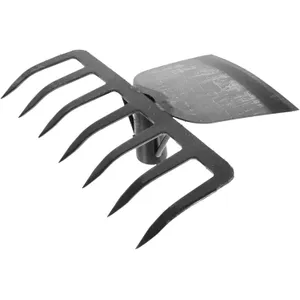
Stainless Steel Garden Hoe Rake Weeding Tool

Stainless Steel Garden Hoe Rake Weeding Tool

$30-$354.5
View on Amazon
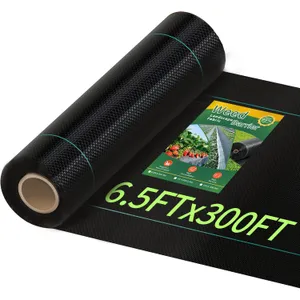
Weed Barrier Landscape Fabric Heavy Duty 6.5ftx300ft

Weed Barrier Landscape Fabric Heavy Duty 6.5ftx300ft

$65-$754.5
View on Amazon
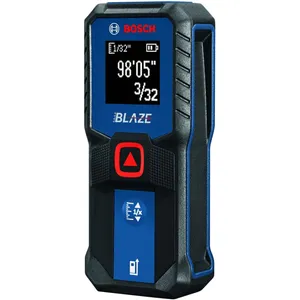
BOSCH GLM20 Blaze 65ft Laser Distance Measure

BOSCH GLM20 Blaze 65ft Laser Distance Measure

$30-$504.6
View on Amazon
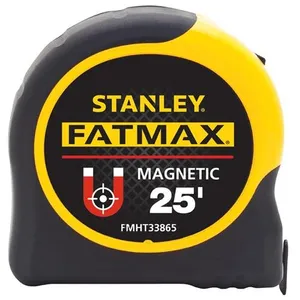
Stanley FatMax 25ft Magnetic Tape Measure

Stanley FatMax 25ft Magnetic Tape Measure

$20-$304.6
View on Amazon
Stainless Steel Garden Hoe Rake Weeding Tool

Stainless Steel Garden Hoe Rake Weeding Tool

$30-$354.5
View on Amazon
Weed Barrier Landscape Fabric Heavy Duty 6.5ftx300ft

Weed Barrier Landscape Fabric Heavy Duty 6.5ftx300ft

$65-$754.5
View on Amazon
BOSCH GLM20 Blaze 65ft Laser Distance Measure

BOSCH GLM20 Blaze 65ft Laser Distance Measure

$30-$504.6
View on Amazon
Stanley FatMax 25ft Magnetic Tape Measure

Stanley FatMax 25ft Magnetic Tape Measure

$20-$304.6
View on Amazon

As an Amazon Associate, we earn from qualifying purchases.

Frequently Asked Questions

Q

How much sand do I need for pavers?

For paver base, you need 1 inch of sand per layer. For a 200 sq ft patio: 200 × (1/12) = 16.67 cu ft ÷ 27 = 0.62 cubic yards ≈ 0.92 tons of paver base sand.

  • Bedding layer: 1" compacted depth under pavers (start with 1.5" loose)
  • Joint sand: typically 50 lbs of polymeric sand per 75–100 sq ft of pavers
  • 100 sq ft at 1" depth = 0.31 yd³ = ≈0.46 tons of paver base sand
  • 200 sq ft at 1" depth = 0.62 yd³ = ≈0.92 tons of paver base sand
  • Order 10–15% extra for screeding waste and low spots
Q

How many tons of sand are in a cubic yard?

Sand weighs about 1.3-1.5 tons per cubic yard depending on type and moisture. Dry sand: 1.35 tons/yd³, wet sand: 1.5-1.7 tons/yd³, play sand: 1.2 tons/yd³.

  • Dry utility sand: ≈1.35 tons per cubic yard (2,700 lbs)
  • Wet sand: ≈1.5–1.7 tons per cubic yard (3,000–3,400 lbs)
  • Play sand (fine, washed): ≈1.2 tons per cubic yard (2,400 lbs)
  • Concrete/masonry sand: ≈1.4 tons per cubic yard (2,800 lbs)
  • Loose vs. compacted: compacted sand is 10–15% denser
Sand TypeDensity (lbs/ft³)Tons per yd³Common Use
Play sand901.22Sandboxes, volleyball courts
Paver base / concrete1101.49Paver bedding, concrete mix
Fill sand1001.35Backfill, grading, leveling
Masonry sand1051.42Mortar mix, pool bases
Q

What type of sand should I use for pavers?

Use coarse concrete sand (also called paver base sand) for the base layer under pavers. Use polymeric sand or fine jointing sand for filling joints between pavers.

  • Bedding layer: coarse concrete sand (ASTM C33) – angular grains lock together
  • Joint fill: polymeric sand hardens when wet, resists weeds and insects
  • Polymeric sand costs $20–$30 per 50 lb bag vs. $5–$8 for regular joint sand
  • Never use play sand or beach sand for paver base – round grains shift under load
  • Mason sand works for mortar joints but is too fine for paver bedding
Sand TypeGrain ShapeBest UsePrice per 50 lbs
Concrete / paver baseAngularBedding layer$4–$8
Polymeric sandAngular + polymerJoint fill (hardens)$20–$30
Mason sandSub-angularMortar mix, leveling$5–$10
Play sandRoundedSandboxes only$4–$6
Q

How deep should sand be under pavers?

Sand bedding under pavers should be 1 inch deep after compaction. Start with 1.5 inches of loose sand, then screed and compact to 1 inch for a stable, level base.

  • Loose sand: spread 1.5" thick before screeding
  • After screeding and compacting: target exactly 1" depth
  • Below the sand: 4–6" compacted gravel base (crushed stone)
  • Total base depth: 5–7" (gravel + sand) for pedestrian traffic
  • Driveway pavers: increase gravel base to 8–12" for vehicle loads

Find a Contractor Near You

Get free quotes from licensed contractors in your area

Angi
Angi4.7/5

Verified reviews & background checks

Get Free Quotes

Showing results for your area

Example Calculations

1Paver Patio Base (20 × 10 ft, 1 inch deep)

Inputs

Length20 ft
Width10 ft
Depth1 inch
Sand TypePaver Base Sand (110 lbs/ft³)
Cost per Ton$40

Result

Sand Needed0.92 tons
Area200.0 sq ft
Volume16.7 cu ft
Cubic Yards0.62
Estimated Cost$37

Area = 20 × 10 = 200 sq ft. Volume = 200 × (1/12) = 16.67 cu ft. Cubic yards = 16.67 / 27 = 0.62. Tons = (16.67 × 110) / 2000 = 0.92 tons. Cost = 0.92 × $40 = $37.

2Sandbox Fill (8 × 8 ft, 6 inches deep)

Inputs

Length8 ft
Width8 ft
Depth6 inches
Sand TypePlay Sand (90 lbs/ft³)
Cost per Ton$40

Result

Sand Needed1.44 tons
Area64.0 sq ft
Volume32.0 cu ft
Cubic Yards1.19
Estimated Cost$58

Area = 8 × 8 = 64 sq ft. Volume = 64 × (6/12) = 32 cu ft. Cubic yards = 32 / 27 = 1.19. Tons = (32 × 90) / 2000 = 1.44 tons. Cost = 1.44 × $40 = $58.

Formulas Used

Volume

Volume (cu ft) = Length × Width × (Depth / 12)

Calculates volume in cubic feet from dimensions and depth in inches.

Where:

Length= Area length in feet
Width= Area width in feet
Depth= Sand depth in inches (divided by 12 to convert to feet)

Cubic Yards

Cubic Yards = Volume (cu ft) / 27

Converts cubic feet to cubic yards for ordering.

Where:

27= Cubic feet in one cubic yard

Tons Needed

Tons = (Volume × Density) / 2000

Converts volume and density to US tons.

Where:

Density= Sand density in lbs per cubic foot (varies by type)
2000= Pounds per US ton

Complete Guide to Sand Estimation for Pavers, Fill, and Landscaping

1

Sand Density by Type: 90–110 lbs/ft³ Changes Your Order

Sand density varies from 90 lbs/ft³ for fine play sand to 110 lbs/ft³ for coarse paver base sand—a 22% difference that directly affects tonnage calculations. A 200 sq ft patio at 1-inch depth requires 16.67 cubic feet of sand regardless of type, but that translates to 0.75 tons of play sand versus 0.92 tons of paver base sand. Ordering by the wrong density means coming up short or overpaying.

Suppliers price sand by the ton ($25–$50 depending on type and region) or by the cubic yard ($35–$65). One cubic yard of fill sand weighs approximately 1.35 tons (2,700 lbs), while the same volume of wet sand can weigh 1.5–1.7 tons. Always specify dry weight when ordering by the ton, or order by volume and accept that you may receive slightly more or less weight depending on moisture content.

The calculator converts between cubic feet, cubic yards, and tons using the density for your selected sand type. Enter dimensions in feet and depth in inches—the tool handles the unit conversion automatically. For circular areas like around a paver calculator project with curved borders, calculate the equivalent rectangular area or use the radius-based formula (πr²).

Dry densities; wet sand weighs 10–25% more
Sand TypeDensity (lbs/ft³)Tons/yd³Price per Ton
Play sand (fine, washed)901.22$30–$45
Fill sand (utility)1001.35$25–$40
Masonry sand1051.42$35–$50
Paver base / concrete sand1101.49$35–$55
2

Paver Base Sand: Depth, Compaction, and Screeding

Paver bedding requires exactly 1 inch of compacted coarse sand (ASTM C33 spec) between the gravel base and the paver surface. Start with 1.5 inches of loose sand, screed it flat using pipe rails as guides, then compact with a plate vibrator to achieve the final 1-inch depth. Below the sand, a 4–6 inch compacted gravel base of 3/4-inch crushed stone provides structural support.

For a 200 sq ft patio, the 1-inch bedding layer needs 200 × (1/12) = 16.67 cu ft = 0.62 cubic yards = 0.92 tons of paver base sand. Joint fill (polymeric sand) is a separate quantity: approximately 50 lbs per 75–100 sq ft of pavers, or 100–133 lbs for the 200 sq ft patio. At $20–$30 per 50-lb bag, joint sand adds $40–$80 to the project.

Never substitute play sand or beach sand for paver bedding—their rounded grains shift under load, causing pavers to settle unevenly. Coarse concrete sand has angular grains that interlock and resist movement after compaction. Use the gravel calculator to estimate the crushed stone base layer separately.

Tip: Order 10–15% extra paver base sand to account for screeding waste and low spots in the gravel base. For a 200 sq ft patio, that is an extra 0.06–0.09 cubic yards—$3–$5 of insurance against running short.

3

Volume-to-Weight Conversion: The Core Calculation

The calculator uses three linked formulas: volume in cubic feet = length × width × (depth / 12), then cubic yards = volume / 27, then tons = (volume × density) / 2000. For an 8×8 ft sandbox at 6-inch depth with play sand (90 lbs/ft³): volume = 64 × 0.5 = 32 cu ft, cubic yards = 32 / 27 = 1.19, tons = (32 × 90) / 2000 = 1.44 tons.

Delivery trucks typically carry 10–15 tons per load. Small orders under 1 ton are often more economical as bagged sand from home centers ($4–$6 per 50-lb bag), but the per-ton cost is 3–5× higher. The break-even point is roughly 0.5 tons—above that, bulk delivery at $25–$50 per ton plus a $50–$100 delivery fee is more economical.

Compaction reduces volume by 10–15%. If your final depth must be 6 inches compacted, start with 7 inches loose. The calculator works with the final (compacted) depth, so the output represents the amount of sand needed to achieve your target depth after compaction.

  • Under 0.5 tons (1,000 lbs) — buy bagged from home center, $160–$240 per ton equivalent
  • 0.5–2 tons — bulk delivery most economical, $25–$50/ton + $50–$100 delivery
  • 2–5 tons — single dump truck load, best per-ton price
  • Over 5 tons — may require multiple loads or a larger truck; negotiate delivery fee
  • Wet sand weighs 10–25% more — don’t order by weight after rain
4

Choosing the Right Sand Type for Your Project

Concrete sand (also called sharp sand) has angular grains that interlock under compaction, making it the best choice for paver bedding, concrete mixing, and pipe bedding. Masonry sand is slightly finer and works well for mortar mixes, stucco, and pool bases where a smoother finish is desired.

Fill sand (utility sand) at $25–$40 per ton is the most affordable option for backfilling trenches, grading slopes, and leveling areas under slabs. It’s not suitable for paver bedding because the mix of grain sizes doesn’t compact as uniformly as washed concrete sand. Play sand is the finest grade, washed and screened for child safety—appropriate only for sandboxes and volleyball courts.

For large-scale fill projects, pair this calculator with the excavation calculator to determine cut-and-fill volumes, and the soil calculator for topsoil quantities in the finish grade layer above the sand base.

  1. 1

    Enter area dimensions

    Input length and width in feet. For the default patio scenario: 20 ft × 10 ft = 200 sq ft.

  2. 2

    Set sand depth

    Enter depth in inches. Paver bedding: 1 inch. Sandbox: 6 inches. Leveling fill: varies by grade.

  3. 3

    Select sand type

    Choose from fill (100 lbs/ft³), masonry (105), paver base (110), or play sand (90). The density affects tonnage.

  4. 4

    Enter cost per ton

    Local bulk pricing averages $30–$50/ton. The calculator multiplies tons × price for a material budget estimate.

Related Calculators

Gravel Calculator

Calculate gravel amounts

Paver Calculator

Calculate paver materials

Sandbox Sand Calculator \u2014 How Much Sand You Need

Calculate how much sand you need for your sandbox. Get exact bag counts, weight, volume, and cost estimates for rectangular, circular, or hexagonal sandboxes.

Fill Dirt Calculator

Calculate fill dirt in cubic yards, weight in tons, and delivery loads. Enter area dimensions, fill type, and compaction factor for accurate estimates.

Patio Paver Sand Calculator \u2014 Base, Bedding & Joints

Calculate sand and gravel amounts for paver patios. Get gravel base tonnage, bedding sand bags, polymeric joint sand, edging materials, and cost estimates.

Mulch Calculator

Calculate how much mulch you need for your garden beds and landscaping. Get cubic yards, bags, and cost estimates for bark, wood chips, and decorative mulch.

Related Resources

How Much Concrete Do I Need? Concrete Calculator for Slabs & Footings

Read our guide

How Much Paint Do I Need for a Room? Complete Calculator Guide

Read our guide

Insulation R-Value Guide: How Much Insulation Do I Need?

Read our guide

Gravel Calculator

Calculate gravel needed

Paver Calculator

Calculate pavers needed

Concrete Calculator

Calculate concrete needed

More Construction Calculators

Calculate materials for your building projects

View All

Last Updated: Mar 26, 2026

This calculator is provided for informational and educational purposes only. Results are estimates and should not be considered professional financial, medical, legal, or other advice. Always consult a qualified professional before making important decisions. UseCalcPro is not responsible for any actions taken based on calculator results.

UseCalcPro
FinanceHealthMath

© 2026 UseCalcPro