

UseCalcPro
Home
MathFinanceHealthConstructionAutoPetsGardenCraftsFood & BrewingToolsSportsMarineEducationTravel
Blog
  1. Home
  2. Food & Brewing

Fermentation Calculator

Calculate salt, brine, and fermentation time for any lacto-fermented vegetable

Salt Needed

20.0g

Tsp

3.3

Days

14-21

Jars

2

g
%

Sauerkraut — Dry Salt Method

20.0g salt
Salt (tsp)
3.3 tsp
Fermentation
14-21 days
Jars Needed
2 quarts

Ideal Temperature

Cool (60-65°F)21-28 days
Room (68-72°F)14-21 days
Warm (75-80°F)7-14 days

Salt Measurements

Kosher salt3.3 tsp
By weight20.0 g
Tablespoons1.1 tbsp

What You'll Need

Easy Fermenter Fermentation Lids Kit 4-Pack Wide Mouth

Easy Fermenter Fermentation Lids Kit 4-Pack Wide Mouth

$15-$254.5
View on Amazon
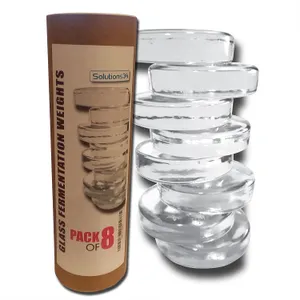
Premium Glass Fermentation Weights 8-Pack

Premium Glass Fermentation Weights 8-Pack

$15-$204.7
View on Amazon
Hot Sauce Making Kit with 3 Peppers & Bottles

Hot Sauce Making Kit with 3 Peppers & Bottles

$30-$454.4
View on Amazon
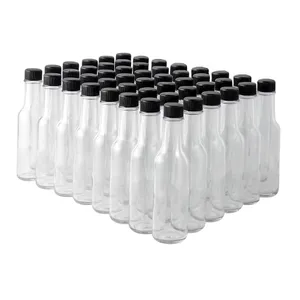
Glass Woozy Hot Sauce Bottles 5oz 24-Pack with Caps

Glass Woozy Hot Sauce Bottles 5oz 24-Pack with Caps

$18-$254.5
View on Amazon
Vitamix 5200 Professional Grade Blender 64oz

Vitamix 5200 Professional Grade Blender 64oz

$350-$4504.7
View on Amazon
COSORI Food Dehydrator 6 Stainless Steel Trays

COSORI Food Dehydrator 6 Stainless Steel Trays

$70-$904.6
View on Amazon
Easy Fermenter Fermentation Lids Kit 4-Pack Wide Mouth

Easy Fermenter Fermentation Lids Kit 4-Pack Wide Mouth

$15-$254.5
View on Amazon
Premium Glass Fermentation Weights 8-Pack

Premium Glass Fermentation Weights 8-Pack

$15-$204.7
View on Amazon
Hot Sauce Making Kit with 3 Peppers & Bottles

Hot Sauce Making Kit with 3 Peppers & Bottles

$30-$454.4
View on Amazon
Glass Woozy Hot Sauce Bottles 5oz 24-Pack with Caps

Glass Woozy Hot Sauce Bottles 5oz 24-Pack with Caps

$18-$254.5
View on Amazon
Vitamix 5200 Professional Grade Blender 64oz

Vitamix 5200 Professional Grade Blender 64oz

$350-$4504.7
View on Amazon
COSORI Food Dehydrator 6 Stainless Steel Trays

COSORI Food Dehydrator 6 Stainless Steel Trays

$70-$904.6
View on Amazon

As an Amazon Associate, we earn from qualifying purchases.

Frequently Asked Questions

Q

What salt percentage should I use for lacto fermentation?

Most lacto-fermented vegetables use 2-5% salt by weight. Sauerkraut works best at 2-2.5%, kimchi at 3%, and pickles at 3-5%. Lower percentages ferment faster and produce a tangier result, while higher percentages slow fermentation and keep vegetables crunchier.

  • Sauerkraut: 2-2.5% for classic tangy flavor
  • Kimchi: 3% balances fermentation speed and crunch
  • Pickles: 3.5-5% brine for firm, crunchy results
  • Hot sauce: 3% allows controlled, even fermentation
Q

How long does fermentation take at different temperatures?

Fermentation speed depends heavily on temperature. At cool temperatures (60-65°F), sauerkraut takes 21-28 days. At room temperature (68-72°F), it takes 14-21 days. In warm conditions (75-80°F), it can finish in 7-14 days. Kimchi ferments much faster, often ready in 3-7 days at room temperature.

Ferment TypeCool (60-65°F)Room (68-72°F)Warm (75-80°F)
Sauerkraut21-28 days14-21 days7-14 days
Kimchi7-14 days3-7 days2-4 days
Pickles7-14 days3-5 days2-3 days
Hot Sauce14 days7-14 days7 days
Q

How do I prevent mold during fermentation?

Mold grows when vegetables are exposed to air above the brine. Keep all vegetables fully submerged using a fermentation weight or zip-lock bag filled with brine. Use clean equipment, maintain proper salt levels (at least 2%), and keep the ferment at a stable temperature. A thin white film (kahm yeast) is harmless but should be skimmed off.

  • Keep vegetables fully submerged below the brine line
  • Use fermentation weights or a brine-filled bag on top
  • Maintain at least 2% salt concentration
  • Use clean (not necessarily sterile) jars and utensils
  • Kahm yeast (white film) is harmless but skim it off
Q

What is the difference between dry salt and brine methods?

Dry salting means massaging salt directly into shredded or sliced vegetables to draw out their natural juices, creating the brine. This works best for high-moisture vegetables like cabbage. The brine method dissolves salt in water and pours it over whole or chunky vegetables like cucumber pickles that don't release enough liquid on their own.

  • Dry salt: best for sauerkraut, kimchi, curtido, salsa
  • Brine: best for whole pickles and chunky vegetables
  • Dry salt uses less total salt since vegetables provide liquid
  • Brine method requires extra water to cover the vegetables

Example Calculations

1Classic Sauerkraut (1 kg cabbage)

Inputs

Ferment TypeSauerkraut
Vegetable Weight1,000 g
Salt Percentage2%
MethodDry Salt
TemperatureRoom (68-72°F)

Result

Salt Needed20 g (3.3 tsp)
Fermentation Time14-21 days
Jars Needed (quart)2 jars

Massage 20g of kosher salt into 1kg of shredded cabbage until it releases enough liquid to submerge. Pack tightly into quart jars, weigh down, and ferment at room temperature for 2-3 weeks.

2Fermented Dill Pickles (500 g cucumbers)

Inputs

Ferment TypePickles
Vegetable Weight500 g
Salt Percentage3.5%
MethodBrine
TemperatureRoom (68-72°F)

Result

Salt Needed26.3 g (4.4 tsp)
Water for Brine250 ml
Fermentation Time3-5 days
Jars Needed (quart)1 jar

Dissolve 26.3g salt in 250ml water. Pack whole or halved cucumbers into a quart jar with garlic and dill. Pour brine over cucumbers, weigh down to submerge, and ferment 3-5 days at room temperature.

Formulas Used

Dry Salt Method

Salt (g) = Vegetable Weight (g) × (Salt % / 100)

For dry salting, salt is calculated as a percentage of the vegetable weight alone. The vegetables release their own liquid when massaged with salt.

Where:

Vegetable Weight= Weight of prepared vegetables in grams
Salt %= Target salt percentage (typically 2-3.5%)

Brine Method

Water (ml) = Vegetable Weight (g) × 0.5 | Salt (g) = (Vegetable Weight + Water) × (Salt % / 100)

For brine, water is added to cover the vegetables (approximately half the vegetable weight). Salt is calculated as a percentage of the total weight of vegetables plus water.

Where:

Water= Amount of water needed to cover vegetables
Total Weight= Combined weight of vegetables and water

Jar Fill Estimate

Jars Needed = ceil(Total Volume / (Jar Capacity × 0.8))

Jars should be filled to about 80% capacity to leave headspace for brine and expansion during fermentation. Standard jar sizes: pint (473ml), quart (946ml), half-gallon (1893ml), gallon (3785ml).

Where:

Total Volume= Combined volume of vegetables and brine in ml
Jar Capacity= Volume of the chosen jar size in ml
0.8= 80% fill factor for headspace

Complete Guide to Lacto-Fermented Vegetables

1

Salt Percentages: The 2–5% Window for Safe Fermentation

2% salt by weight is the minimum threshold for safe lacto-fermentation—below this, harmful bacteria like Clostridium and E. coli can outcompete beneficial Lactobacillus and cause spoilage or foodborne illness. Above 5%, even Lactobacillus struggles, and fermentation stalls entirely. The sweet spot for most vegetables falls between 2% and 3.5%, depending on the texture and speed you want.

Sauerkraut works best at 2–2.5% salt, which produces a tangy, well-rounded flavor in 14–21 days at room temperature. Kimchi uses 3% to balance the faster fermentation from its higher sugar content. Whole cucumber ferments need 3.5–5% because the brine must penetrate intact skin, and higher salt keeps them crunchy rather than mushy.

Salt type matters. Use non-iodized kosher salt or sea salt—iodine inhibits Lactobacillus growth and can stall fermentation. Fine-grain salt dissolves faster for brine methods, while coarse salt clings better to shredded vegetables for dry-salt methods. By weight, all salt types are equivalent; by volume, coarse kosher salt measures roughly 1.5× the volume of fine table salt for the same weight.

Ferment TypeSalt %MethodRoom Temp Time
Sauerkraut2–2.5%Dry salt14–21 days
Kimchi3%Dry salt3–7 days
Dill Ferments3.5–5%Brine3–5 days
Hot Sauce3%Dry salt7–14 days
Curtido2%Dry salt1–3 days
2

Temperature and Time: How Heat Accelerates Fermentation

68–72°F room temperature is the ideal compromise between speed and flavor complexity for most lacto-ferments. At this range, sauerkraut takes 14–21 days, developing a balanced tanginess with layered flavor. Cool fermentation (60–65°F) stretches the timeline to 21–28 days but produces deeper, more nuanced results that professional fermenters prefer.

Warm environments (75–80°F) cut fermentation time nearly in half—sauerkraut can finish in 7–14 days—but the rapid acid production creates a sharper, one-dimensional sourness. Kimchi is the exception: its complex ingredient mix (gochugaru, fish sauce, garlic) benefits from faster fermentation because the flavors meld quickly at warmer temperatures.

Above 80°F, fermentation becomes unpredictable. Yeast activity increases, producing off-flavors and excessive CO₂ that can overflow jars. Below 55°F, Lactobacillus becomes nearly dormant. Use a fermentation vessel calculator to plan container sizes that account for CO₂ expansion, especially in warm conditions.

Sauerkraut Fermentation Time by Temperature28 days21 days14 days7 days0 days60°F70°F80°F25 days17 days10 daysSauerkraut (2% salt)
3

Dry Salt vs Brine: Which Method for Which Vegetable

20g of salt per 1,000g of cabbage is the classic dry-salt sauerkraut recipe, and the cabbage itself provides all the liquid needed. Massage the salted cabbage for 5–10 minutes until it releases enough juice to submerge itself when packed tightly in a jar. This method works for any high-moisture vegetable: cabbage, radishes, onions, carrots (shredded), and hot peppers.

The brine method is necessary for whole or chunky vegetables that don’t release enough liquid on their own. Whole cucumbers, cauliflower florets, green beans, and garlic cloves all need a prepared salt-water solution poured over them. The brine formula adds water equal to roughly half the vegetable weight, and the salt percentage is calculated on the combined weight of vegetables plus water.

A 500g batch of dill ferments needs 250ml of water and 26.3g of salt at 3.5% concentration. The total salt is higher than a dry-salt ferment of the same vegetable weight because you’re also salting the added water. This is the most common calculation mistake beginners make—our fermentation calculator handles it automatically for both methods.

Dry-salt method for shredded vegetables (sauerkraut, kimchi). Brine method for whole or chunky vegetables (cucumbers, cauliflower, green beans).

4

Preventing Mold and Troubleshooting Common Problems

100% of mold problems in lacto-fermentation come from one cause: vegetables exposed to air above the brine line. Lactobacillus thrives in anaerobic (oxygen-free) conditions, while mold requires oxygen. Keep every vegetable piece submerged at all times using a fermentation weight, a zip-lock bag filled with brine, or a plate weighted with a water-filled jar.

Kahm yeast is a thin, wrinkly white film that sometimes forms on the surface. Unlike fuzzy mold, kahm yeast is harmless but can impart a slightly musty flavor. Skim it off with a spoon and ensure better submersion. Kahm yeast is more common in warmer environments above 75°F and in lower-salt ferments below 2%.

Soft, mushy vegetables are the second most common complaint. This happens when salt percentage is too low (under 2%), temperature is too high (above 80°F), or the ferment goes too long. For crunchy results, use 3.5–5% salt, add a grape leaf or oak leaf (the tannins help maintain crunch), and ferment at 65–70°F. Move the jar to the refrigerator as soon as the flavor is where you want it—cold temperatures halt fermentation and preserve texture.

  • Keep all vegetables submerged below brine—use fermentation weights or a brine-filled bag
  • Maintain at least 2% salt concentration to suppress harmful bacteria
  • Skim kahm yeast (white film) promptly—harmless but affects flavor
  • Add grape or oak leaf for extra crunch in whole vegetable ferments
  • Refrigerate immediately when desired flavor is reached to stop fermentation
5

Jar Sizing and Packing: How Much Fits in a Quart?

800–900g of shredded cabbage fits into a single quart jar (946ml) when packed tightly, leaving the recommended 20% headspace for brine and CO₂ expansion. One medium head of cabbage weighs about 900g, making a quart jar the perfect single-head batch size. For larger batches, half-gallon jars hold 1,600–1,800g.

Whole vegetables pack less efficiently than shredded ones. A quart jar holds only 450–500g of whole small cucumbers due to the air gaps between pieces. Plan on 1 quart jar per pound of whole vegetables. Wide-mouth jars are strongly recommended for all fermentation—they make packing, weighting, and extracting food much easier than narrow-mouth alternatives.

Fill jars to no more than 80% capacity. Active fermentation produces CO₂ that bubbles through the brine, and some vegetables expand as they absorb liquid. Overflow is messy and wastes brine. For precise vessel planning, the fermentation vessel calculator computes headspace, total weight, and jar count for any batch size.

Weights assume 80% fill factor for headspace
Jar SizeCapacityShredded VegWhole Veg
Pint473ml400–450g225–250g
Quart946ml800–900g450–500g
Half-Gallon1,893ml1,600–1,800g900–1,000g
Gallon3,785ml3,200–3,600g1,800–2,000g

Related Calculators

Pickle Brine Calculator

Calculate vinegar brine ratios and spices for pickling

Kombucha Calculator

Calculate tea, sugar, and starter for kombucha brewing

Jam & Canning Calculator

Calculate fruit, sugar, and pectin for jam and preserves

Sauerkraut Calculator \u2014 Salt Ratio, Jar Size & Fermentation Time

Calculate exact salt amounts for homemade sauerkraut by cabbage weight. Get salt-to-cabbage ratios, jar sizes, and fermentation time based on temperature.

Kimchi Calculator \u2014 Ingredient Amounts & Fermentation Guide

Calculate exact kimchi ingredients by cabbage weight. Get gochugaru, fish sauce, garlic, and salt amounts for traditional, vegan, or white kimchi styles.

Pupusa Calculator \u2014 Masa, Cheese & Curtido Amounts

Calculate pupusa ingredients by piece count: masa harina, cheese, bean filling, and curtido slaw. Supports queso, frijol con queso, and revueltas fillings.

Related Resources

Pizza Dough by Weight: Hydration, Fermentation & Style Guide for Home Ovens

Read our guide

Down Payment Guide: How Much You Need and How to Save It

Read our guide

Cooking Time Calculator: How Long to Cook Meat by Weight

Read our guide

Pickle Brine Calculator

Calculate vinegar-based brine for quick pickles

Kombucha Brewing Calculator

Calculate ingredients for kombucha tea fermentation

Jam & Canning Calculator

Calculate fruit and sugar ratios for preserves

All Food Calculators

Explore all food and kitchen calculators

Explore More Food Calculators

Discover calculators for brewing, baking, canning, and more

View All Food Calculators

Last Updated: Mar 26, 2026

This calculator is provided for informational and educational purposes only. Results are estimates and should not be considered professional financial, medical, legal, or other advice. Always consult a qualified professional before making important decisions. UseCalcPro is not responsible for any actions taken based on calculator results.

UseCalcPro
FinanceHealthMath

© 2026 UseCalcPro